
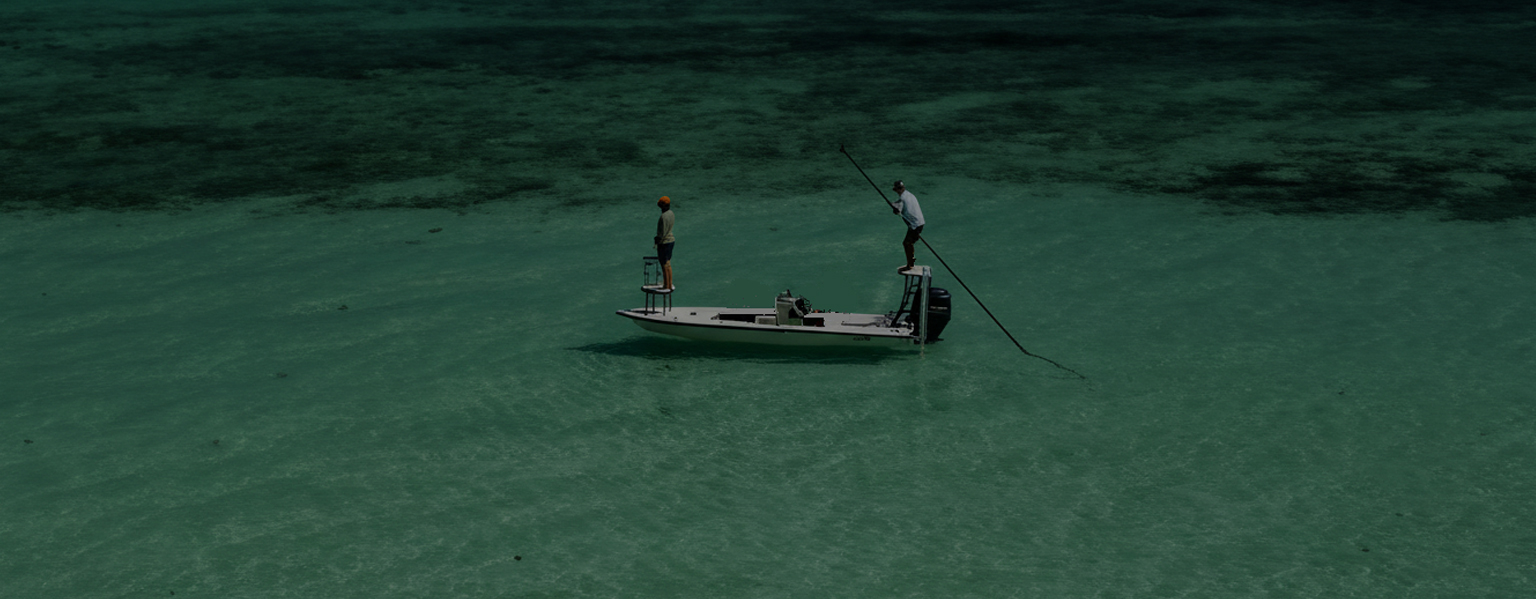

Fishing saltwater flats is one of the most challenging yet rewarding forms of inshore angling. These vast, shallow environments—often only one to six feet deep—serve as both feeding and transit zones for an array of prized species such as redfish, speckled trout, snook, bonefish, and permit. Success on the flats requires careful observation, patience, and an understanding of how tides, weather, and fish behavior interact within this delicate ecosystem.
Habitat
To fish the flats effectively, an angler must first understand the nature of the habitat. Flats are typically found along mangrove shorelines, barrier islands, sandy bays, and grass-dominated estuaries. They are dynamic places where water depth, temperature, and clarity shift with the tide and the sun. Because the water is so shallow and often crystal clear, predators and baitfish alike are highly visible – making this one of the most sight-driven styles of fishing.
Fish Behavior
Each target species uses the flats differently. Redfish, for example, move into extremely shallow water in search of shrimp and crustaceans, often revealing themselves through telling signs such as tailing, crawling, or pushing wakes.
Speckled trout tend to prefer slightly deeper, grass-covered flats with potholes and edges that offer ambush points. Snook cruise along mangrove shorelines and sandy cuts, while bonefish and permit require extraordinary stealth and precision due to their wariness.
Understanding these patterns allows an angler to predict where fish will be and how they will behave under different conditions.
What to Look For
Reading the water is perhaps the most important skill in flats fishing. Anglers must learn to spot subtle cues like nervous bait, small ripples, shadow lines, or the slight color changes that reveal grass edges and sandy depressions. Polarized sunglasses are essential for cutting glare and increasing visibility. The ability to detect wakes, tails, or even the slight movement of a cruising fish often determines whether the angler gets an opportunity to cast.
Tides play a defining role in determining when and where fish will be found on the flats. As the tide rises, fish push up onto the flats to feed; redfish may tail in just inches of water as they root for food.
At high tide, fish disperse, often retreating to mangrove edges or grass patches for cover. Falling tide tends to be one of the most productive windows, as fish funnel off the flats into predictable channels and potholes. Low tide exposes the structure of the flat, allowing anglers to learn its layout and identify future strike zones.
Because fish in shallow water are easily spooked, stealth is crucial. Boat positioning should be deliberate, often using a push pole instead of a trolling motor to stay quiet. Approaching from upwind or up-current allows the angler to deliver a natural presentation while keeping noise and shadows to a minimum. In many cases, wading offers the greatest advantage, as it reduces profile, eliminates hull noise, and grants excellent casting angles.
Lures
Lure selection depends on conditions and target species. Topwater lures excel during low-light hours, producing explosive strikes from redfish, trout, and snook. Soft plastics—paddle tails, jerk shads, and shrimp imitations—are versatile and effective across grass flats, sandy potholes, and edges. Suspended lures shine in deeper areas, while popping corks help cover water and attract fish in murkier conditions. For the fly angler, shrimp and crab patterns remain staples for sight fishing.
Presentation
Presentation is equally important. Redfish often require a gentle cast that leads the fish by a few feet, allowing the lure to glide naturally into their line of travel. Trout typically call for fan casting across potholes or grass seams, while bonefish demand delicate, precise casts followed by subtle strips. In all cases, the lure or fly must appear natural, unobtrusive, and timely.
Summary
Fishing the flats ultimately demands patience and observation. The best anglers spend more time looking than casting, constantly scanning for movement, bait activity, or pathways along which fish travel. The environment rewards those who slow down, study the water, and adapt to the conditions.
Finally, ethical angling practices are vital in such sensitive habitats. Avoiding prop scars, minimizing disturbance, respecting other anglers’ space, and properly handling fish all contribute to preserving the health and beauty of the flats for future generations.
In essence, fishing saltwater flats is an art that blends skill, awareness, and respect for the ecosystem. When an angler masters these elements, the flats become a stage for some of the most exciting and intimate encounters in saltwater fishing.